Source Eco Friendly Collagen Gel Toner Pads for Home, Salon, Travel
Find 30 eco friendly collagen gel toner pads from verified suppliers. Compare specifications, prices, and customization options for daily care, salon use, and travel applications.
Key considerations
Products List





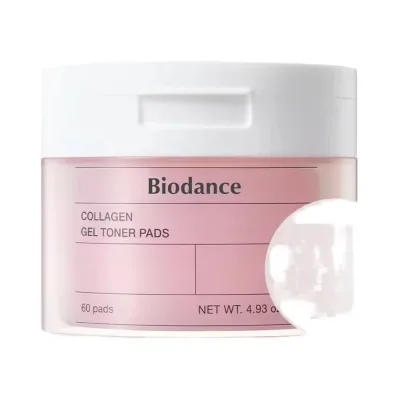
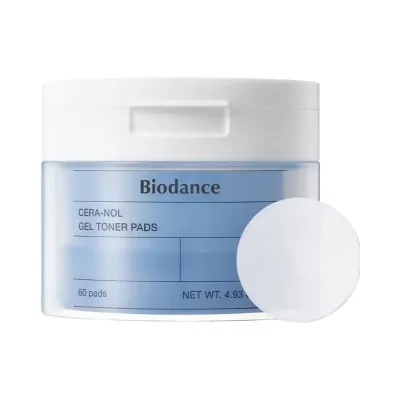

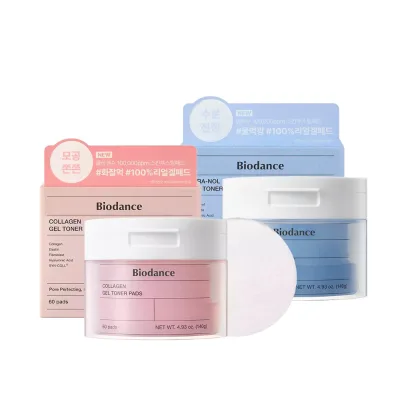
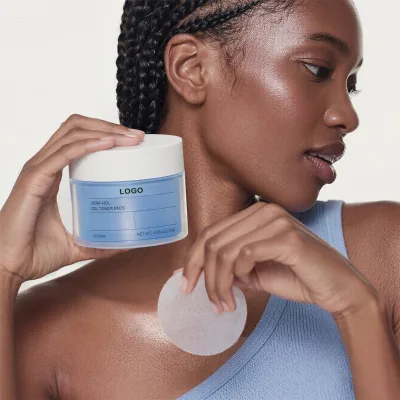

Comprehensive Sourcing Guide
Strategic Sourcing Guide for Eco-Friendly Collagen Gel Toner Pads
The global demand for sustainable beauty solutions has elevated the profile of eco-friendly collagen gel toner pads, positioning them as a critical category for B2B procurement teams in the cosmetics and personal care sectors. These products represent a convergence of material innovation, functional efficacy, and environmental responsibility. For buyers navigating this market, the procurement process requires a rigorous understanding of product specifications, supply chain capabilities, and compliance frameworks. This guide provides a structured approach to sourcing these pads, ensuring that procurement decisions are grounded in verified facts and industry best practices rather than marketing assertions.
Technical Specifications and Material Composition
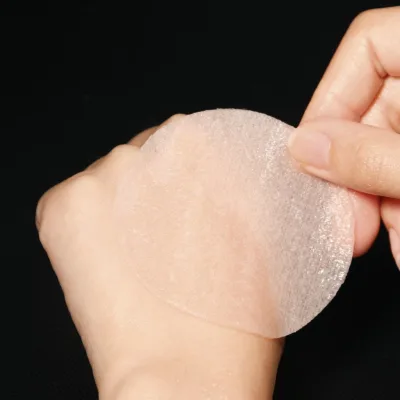
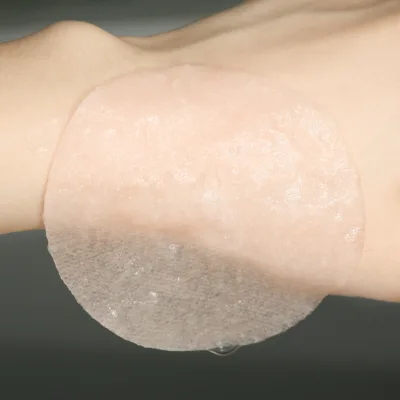
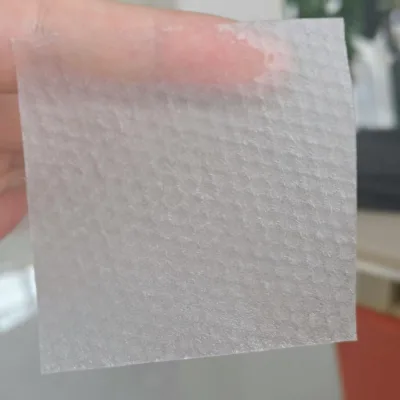
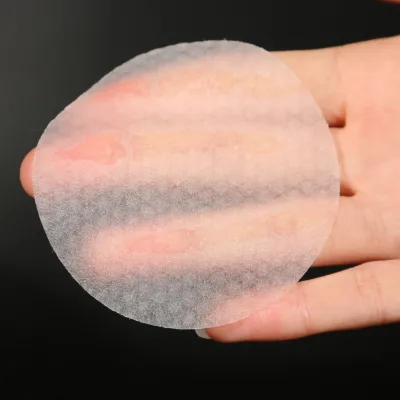
The foundation of any successful procurement strategy lies in the precise definition of technical specifications. In the context of collagen gel toner pads, the material composition is the primary differentiator. The core material must be a sustainable fiber capable of holding and releasing active ingredients effectively. Based on observed market data, high-performance pads often utilize Camellia Fiber, a plant-based alternative that offers superior texture and absorption compared to synthetic options. The physical dimensions of the pad are equally critical; standard specifications often cite a size of 7x7 cm or a length of 7.6 cm, ensuring optimal coverage for facial application.
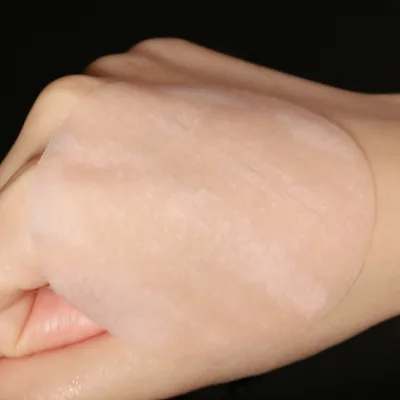
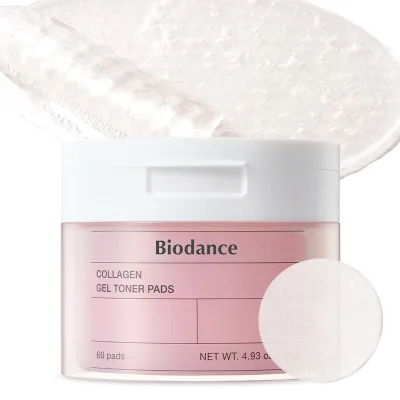
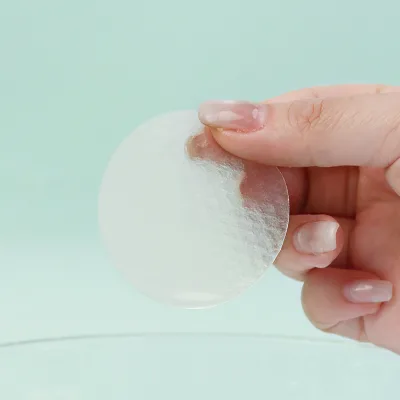
Beyond the base material, the functional attributes of the pad define its utility. The product is characterized by its ability to be "oozing gel," meaning the pad is pre-soaked or designed to hold a significant volume of liquid without disintegrating. This gel retention is essential for delivering active ingredients like collagen, niacinamide, and sodium hyaluronate directly to the skin. The weight of the material, often measured in grams per square meter (gsm), is another key metric; a weight of 70gsm is observed in specific high-quality iterations, balancing durability with softness. Buyers must verify that the supplier can consistently maintain these physical properties, as variations in fiber density or gel saturation can compromise the user experience.
Compliance, Certifications, and Regulatory Standards
In the beauty and personal care industry, compliance is not merely a regulatory hurdle but a cornerstone of brand trust. When sourcing eco-friendly products, buyers must verify that suppliers adhere to international quality management and safety standards. High-confidence data indicates that reputable manufacturers often hold ISO 9001 certification, which validates their quality management systems. Furthermore, adherence to GMPC (Good Manufacturing Practice for Cosmetics) and possession of an MSDS (Material Safety Data Sheet) are critical indicators of a supplier's commitment to safety and chemical handling.
The "eco-friendly" claim requires specific verification. While the product may be marketed as such, buyers should demand evidence of the material's biodegradability or sustainable sourcing practices. The presence of certifications like ISO 9001, GMPC, and MSDS suggests a mature supply chain capable of meeting rigorous safety protocols. However, buyers must not assume that all listed products automatically satisfy every certification requirement. It is the procurement team's responsibility to request current, valid certificates for the specific batch or production line being considered. Additionally, the product's origin, often listed as China (Mainland) or specifically Guangdong, implies a need for thorough due diligence regarding local environmental regulations and export compliance.
Cost Drivers and Pricing Structures
Understanding the cost structure of collagen gel toner pads is essential for budgeting and margin analysis. The observed price range in the market spans from $0.02 to $25.55 USD, a wide variance that reflects differences in material quality, customization levels, and order volume. The primary cost drivers include the raw material source (e.g., Camellia Fiber vs. other blends), the complexity of the gel formulation (involving ingredients like salicylic acid, collagen, and hyaluronic acid), and the packaging requirements.
Packaging plays a significant role in the final cost. Standard configurations might offer 100 pieces per pack, but customized packaging solutions can significantly increase the unit price. The Minimum Order Quantity (MOQ) is another critical factor influencing cost efficiency. While some suppliers may accept orders as low as 1 unit for sampling, bulk procurement typically requires an MOQ of 5,000 units or more to achieve the lower end of the price spectrum. Buyers must balance the need for inventory flexibility with the economic benefits of larger orders. It is important to note that the "Selling Units" may be listed as single items for display purposes, but actual commercial transactions are almost exclusively conducted in bulk lots.
Typical Applications and Target Markets
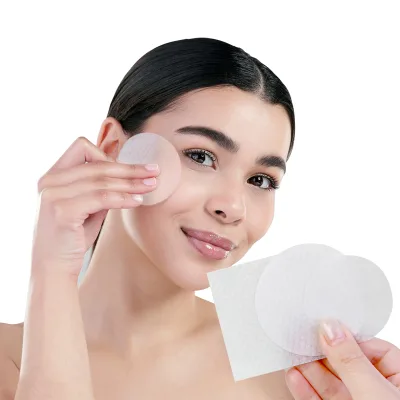
The versatility of collagen gel toner pads allows them to serve multiple applications across different market segments. The primary use case is daily skincare, where the pads function as a delivery mechanism for moisturizing, soothing, and nourishing treatments. The specific formulation, often containing ingredients like salicylate for acne treatment and niacinamide for whitening, makes these pads suitable for addressing a wide range of skin concerns, including oil control, pore shrinking, and blemish clearing.
The target audience extends beyond individual consumers to include professional settings. The application scope often includes home use, salon treatments, and travel kits. For salon professionals, the "Luxury" style and "Dry" or "Pad" form factor offer a premium experience that justifies higher price points. The product is designed for adults and is compatible with all skin types, making it a versatile SKU for distributors. Buyers should consider how the product's features, such as its "oozing gel" capability and specific size, align with the intended application. For instance, a pad designed for home use might prioritize ease of handling, while a salon-grade pad might focus on high absorption and rapid release of active ingredients.
Supplier Evaluation and Service Capabilities
Selecting the right supplier is as important as selecting the product itself. The supply chain for cosmetic raw materials and finished goods requires partners who can offer robust OEM (Original Equipment Manufacturer) and ODM (Original Design Manufacturer) services. The market data confirms that suppliers in this sector frequently offer OEM/ODM acceptance, allowing brands to customize logos, packaging, and even the gel formulation. Services such as private label customization, including gold stamping for logos, are common value-added offerings that can enhance brand identity.
When evaluating suppliers, buyers should assess their production capacity and lead times. A standard delivery time of 30 days upon order confirmation and payment receipt is a common benchmark. However, this timeline can vary based on the complexity of the customization and the current order volume. Buyers must verify the supplier's ability to handle large-scale orders, given that the observed MOQ can reach up to 100,000 units. The "Place of Origin" being Guangdong, China, suggests a mature manufacturing hub, but buyers should still conduct site audits or request third-party inspection reports to ensure production standards are met. The supplier's track record in handling certifications like ISO 9001 and GMPC should be a primary evaluation criterion.
Quality Control and Long-Term Procurement Considerations
Implementing a robust quality control (QC) framework is essential for maintaining product integrity. Given the biological and chemical nature of the ingredients (collagen, hyaluronic acid, salicylic acid), buyers must establish clear acceptance criteria for the final product. This includes verifying the weight (e.g., 70gsm), the dimensions (e.g., 7x7 cm), and the gel saturation levels. The "Single gross weight" of 0.500 kg per package and the "Single package size" of 15x15x20 cm are logistical parameters that must be consistent to ensure efficient shipping and storage.
Long-term procurement considerations involve building a resilient supply chain. Buyers should prioritize suppliers who demonstrate flexibility in their service offerings, such as the ability to adjust formulations based on market trends or consumer feedback. The "Feature" of the product, such as being eco-friendly and offering moisturizing benefits, should be consistently maintained across all production batches. Furthermore, buyers should consider the environmental impact of the packaging and the supply chain logistics. While the product itself may be eco-friendly, the overall sustainability of the procurement process depends on the supplier's practices regarding waste reduction and energy efficiency. Establishing a long-term partnership with a supplier who values quality and sustainability will ensure a steady supply of high-performance collagen gel toner pads that meet both regulatory standards and consumer expectations.
Comparative Analysis of Product Attributes
To facilitate decision-making, the following table summarizes key attributes observed in the market for collagen gel toner pads. This comparison highlights the diversity in specifications and helps buyers identify products that align with their specific requirements.
| Attribute | Observation A | Observation B | Observation C |
|---|---|---|---|
| Material | Camellia Fiber | Other / Combed Cotton | Synthetic Blends |
| Size | 7x7 cm | 7.6 cm Length | Variable |
| Key Ingredients | Collagen, Niacinamide, Sodium Hyaluronate | Salicylic Acid, Hyaluronic Acid | Varies by Formulation |
| Primary Function | Moisturizing, Soothing, Nourishing | Oil Control, Acne Treatment | Whitening, Pore Shrinking |
| Packaging | 100 PCS/Pack | Customized | Single Item |
| Certification | ISO 9001, GMPC, MSDS | ISO 9001 | Varies |
| MOQ | 5,000 Units | 1 Unit (Sample) | 100,000 Units |
| Lead Time | 30 Days | Variable | 30 Days |
This table illustrates that while core functions like moisturizing and oil control are consistent, the specific material and ingredient profiles vary significantly. Buyers must carefully match these attributes to their brand positioning and target market needs. The presence of certifications like ISO 9001 and GMPC across multiple observations suggests a baseline expectation for quality, but the specific material composition (Camellia Fiber vs. Cotton) will dictate the eco-friendly credentials and performance characteristics.
In conclusion, sourcing eco-friendly collagen gel toner pads requires a meticulous approach that balances technical specifications, regulatory compliance, and supply chain reliability. By focusing on verified facts and avoiding unproven claims, buyers can build a procurement strategy that delivers high-quality products to their customers while maintaining operational efficiency and brand integrity. The market offers a wide range of options, but success lies in the ability to discern the true value and capability of each potential supplier.
FAQs
What certifications do eco friendly collagen gel toner pads suppliers hold?
Suppliers typically hold ISO 9001, GMPC, and MSDS certifications to validate quality and safety. These standards ensure the manufacturing process meets international requirements for cosmetic products and chemical handling.
Which material is used for the eco friendly collagen gel toner pads?
The pads are made from Camellia Fiber, a plant-based alternative offering superior texture. Some variations may also use Combed Cotton or other materials depending on the specific product line and customization needs.
Can buyers request custom packaging for the collagen gel toner pads?
Yes, customized packaging is available for orders meeting the minimum quantity requirements. Standard packs contain 100 pieces, but buyers can request specific designs and gold stamping for logos through OEM services.
What is the typical lead time for manufacturing these cosmetic cotton swabs?
The standard delivery time is 30 days upon order confirmation and payment receipt. This timeline applies to bulk orders and may vary based on the complexity of customization and current factory capacity.
How much is the minimum order quantity for these toner pads?
The minimum order quantity is 5000 units for standard bulk procurement. While sampling may be possible with lower quantities, achieving the best pricing requires meeting this specific volume threshold.
Where are the manufacturers of these pads located?
Manufacturers are primarily located in Guangdong, China, within the Mainland region. This location supports a mature supply chain capable of handling large-scale production and export requirements for global markets.
What are the key ingredients in the collagen gel toner pads?
Key ingredients include Collagen, Niacinamide, sodium hyaluronate, and salicylate. These components provide moisturizing, soothing, and acne treatment benefits suitable for all skin types and daily skincare routines.